Electric vehicles are becoming increasingly common across New Zealand, and for most owners, charging at home is the most practical and cost-effective solution.
But choosing the right home EV charger isn’t as simple as buying a unit online and plugging it in.
The right charger depends on how you drive, how your home’s electrical system is set up, and how you plan to use your EV long term.
This guide explains what actually matters, so you can make a confident decision before committing to any equipment.
If you are looking for an EV Charger Installation around the Bay Of Region – contact us for a hassle free quote.
Why More NZ Homeowners Are Installing EV Chargers at Home
Public charging stations are useful, but they’re rarely as convenient as charging at home.
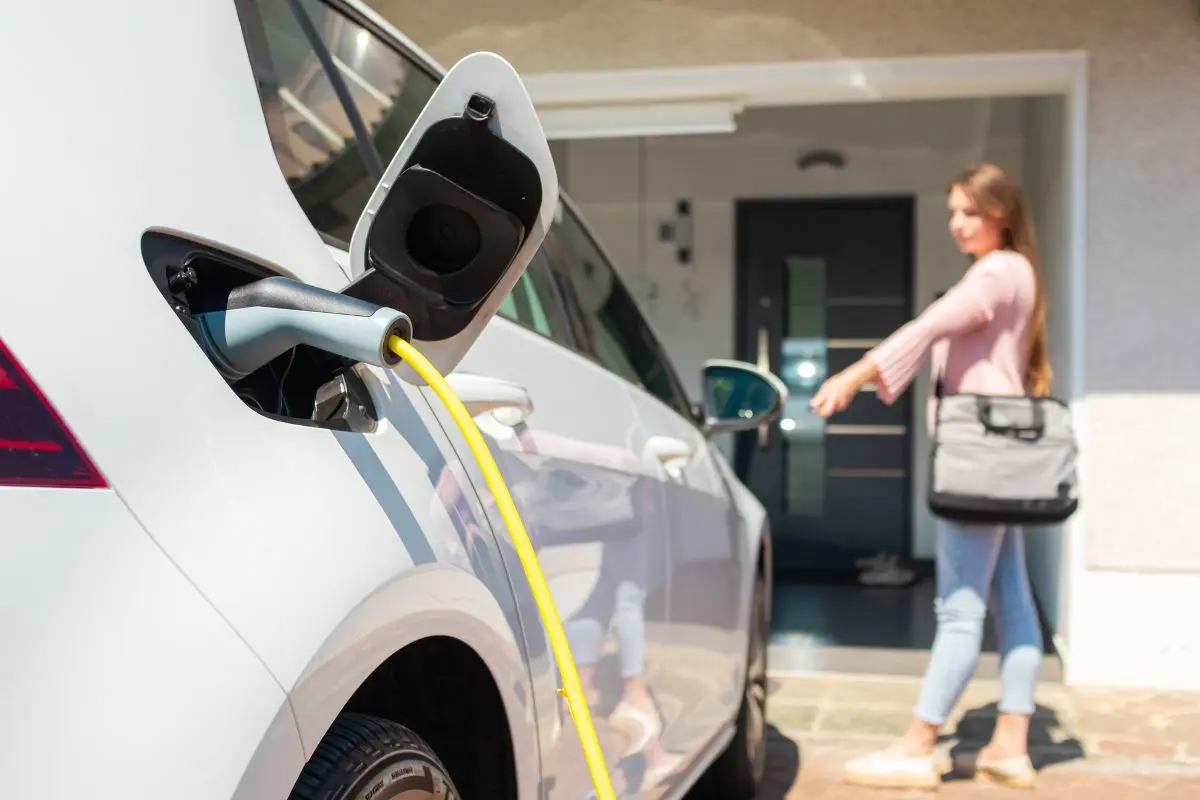
A dedicated home charger allows you to plug in overnight and start each day with a full battery, without detours or waiting times.
Home chargers are also significantly safer and faster than using a standard wall socket, especially for daily charging.
With electricity prices continuing to rise, many homeowners also prefer charging during off-peak hours to reduce running costs.
The Different Types of Home EV Chargers Explained Simply
There are several types of EV chargers available, and the best option depends on your household setup.
Level 2 wall-mounted chargers are the most common choice. These are purpose-built chargers that deliver higher power safely and reliably, making them suitable for most homes.
Smart EV chargers include features such as scheduled charging, load management, and energy monitoring.
These can be helpful if you want to charge overnight, limit demand during peak usage, or coordinate charging with solar generation.
Single-phase charging is standard in most New Zealand homes and is suitable for overnight charging.
Three-phase charging allows for faster charging but is only an option if your property already has three-phase power available.
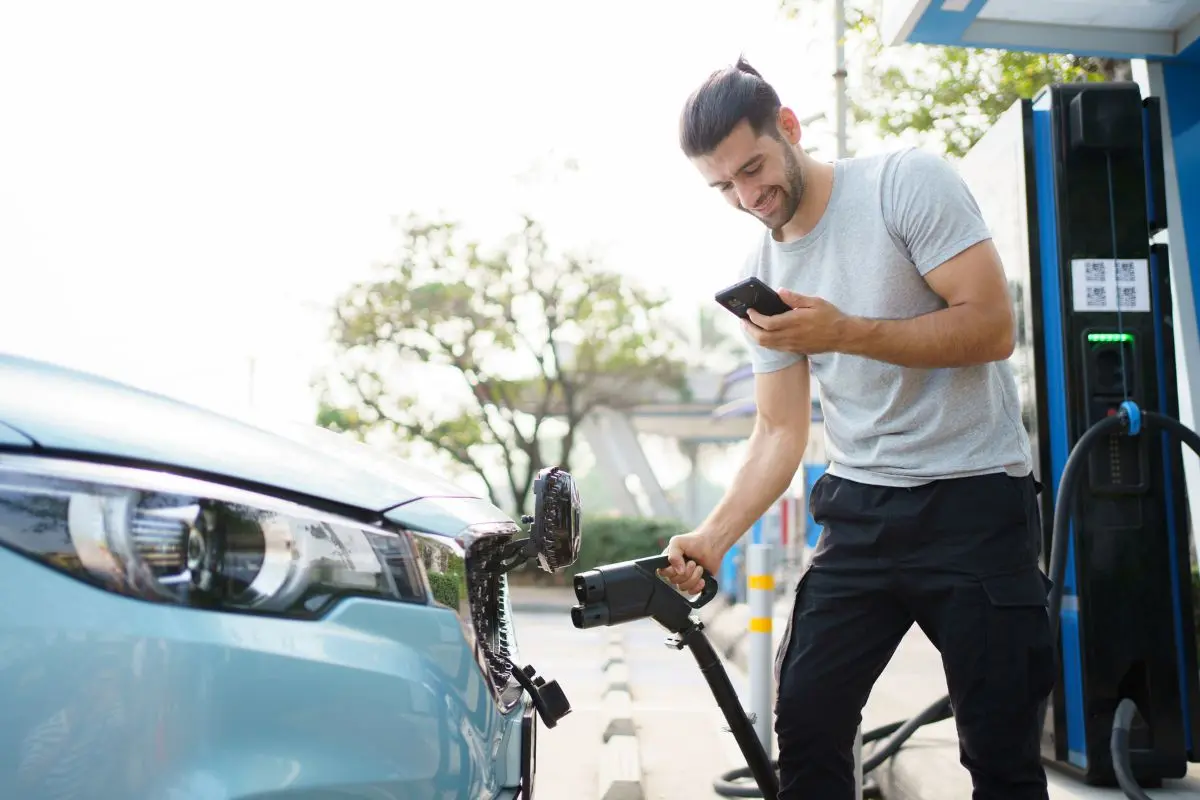
How Your Driving Habits Affect the Charger You Need
The amount you drive each day plays a major role in determining the right charger.
If your daily travel is relatively low, a standard wall-mounted charger is usually more than sufficient. For higher daily mileage or multiple EVs in one household, faster charging capability or smart load management may be worth considering.
It’s also important to think ahead. Choosing a charger that meets your future needs can save you from upgrading again later.
Electrical Capacity Considerations Most Homeowners Miss
Many homeowners focus on the charger itself and overlook the electrical capacity of their home.
EV chargers place a sustained load on your electrical system, which older homes were not designed for. When combined with heat pumps, induction cooktops, or solar systems, this can push an existing switchboard beyond its safe limits.
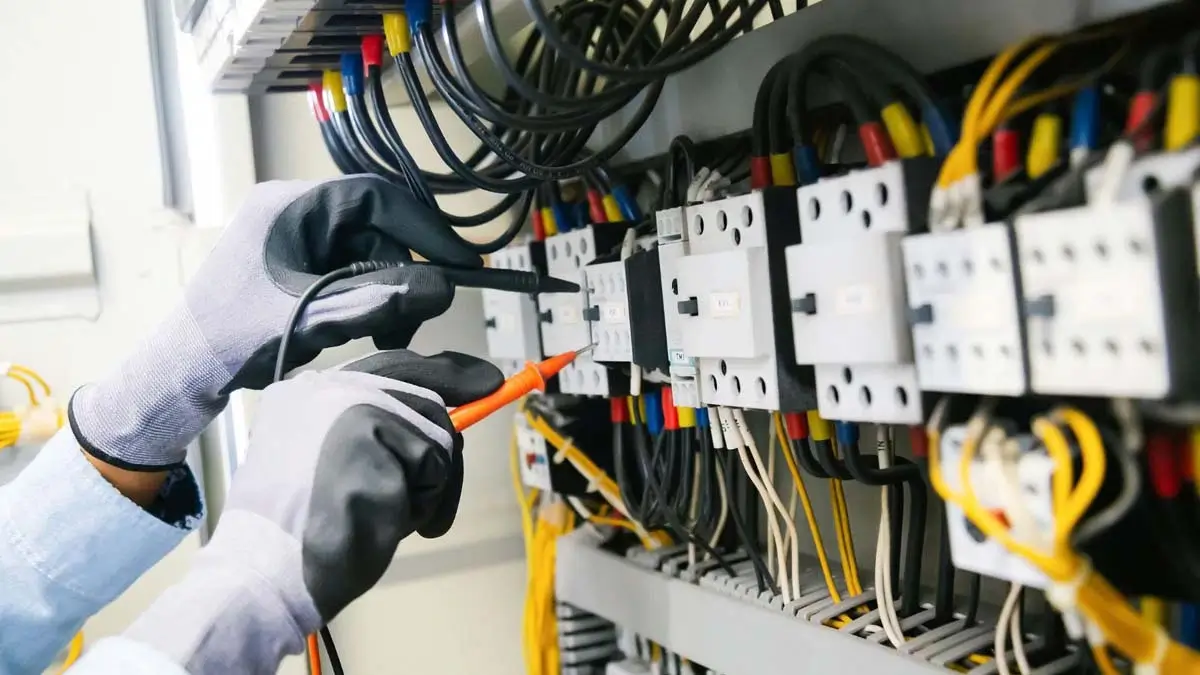
An electrical assessment ensures your system can handle the added load safely and compliantly.
When a Switchboard Upgrade Becomes Necessary
A switchboard upgrade is sometimes required when installing an EV charger, particularly in older homes with fuse boards or limited circuit protection.
Upgrades are often triggered when adding high-demand equipment like EV chargers, solar systems, or additional heat pumps. Modern switchboards improve safety, reliability, and future-proof your home for further electrical upgrades.
Can EV Chargers Work With Solar?
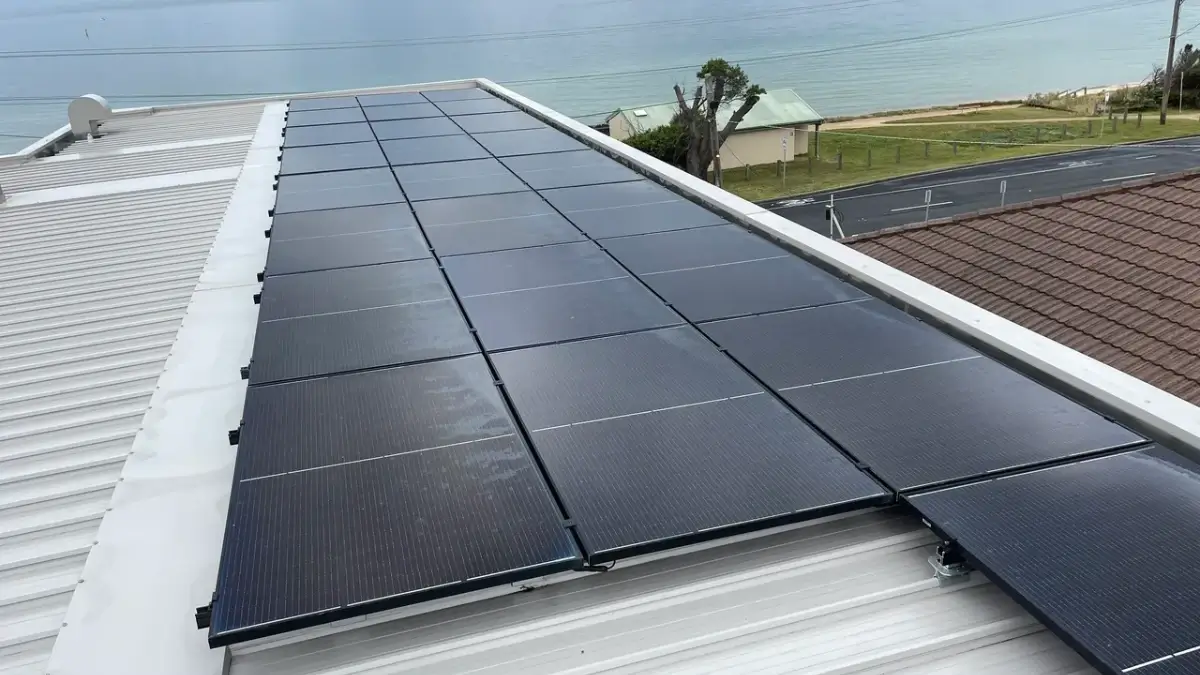
EV chargers can work very well alongside solar systems. Smart chargers can be configured to prioritise solar energy, reducing the amount of electricity drawn from the grid.
This setup allows homeowners to maximise self-consumption and further reduce running costs, especially during daylight charging or weekend use.
Common EV Charger Mistakes to Avoid
One of the most common mistakes is purchasing a charger before getting professional advice. Not all chargers suit all homes, and mismatched equipment can lead to unnecessary costs or limitations.
Another mistake is ignoring future needs, such as adding a second EV or integrating solar later on.
Why a Site Assessment Matters Before Choosing a Charger
A site assessment ensures your charger choice matches your home, driving habits, and electrical capacity.
This process isn’t about selling equipment. It’s about ensuring safety, compliance, and long-term reliability before any installation takes place.
Talk to a Local Electrician Before You Buy
Choosing the right EV charger starts with understanding your home’s electrical setup and your charging needs.
If you’re unsure where to start, a professional assessment can give you clarity and confidence before making any decisions.
Contact Dixon Electrical for a free EV charger installation quote today.