Solar panels are often promoted as a way to slash power bills, but the reality is that solar savings vary significantly from one household to another.
Understanding what actually affects savings helps set realistic expectations and ensures the system you choose delivers long-term value.
This guide explains how solar reduces electricity costs in New Zealand homes and why design and usage matter just as much as panel count.
If you are looking for a trusted solar company local to the Bay of Plenty Region – contact us for a hassle free quote.
Why Solar Savings Vary So Much Between Households
Two homes with identical solar systems can experience very different results.
Savings depend heavily on when electricity is used, how much energy is consumed during daylight hours, and how well the system is matched to the household’s needs.
How Residential Solar Systems Reduce Power Bills
Solar panels generate electricity during daylight hours. When your home uses that power directly, it reduces the amount of electricity you need to buy from the grid.
Any excess energy can be exported back to the grid, although export rates are typically much lower than retail electricity prices. This means the biggest savings usually come from maximising self-consumption.
The Biggest Factors That Impact Solar Savings
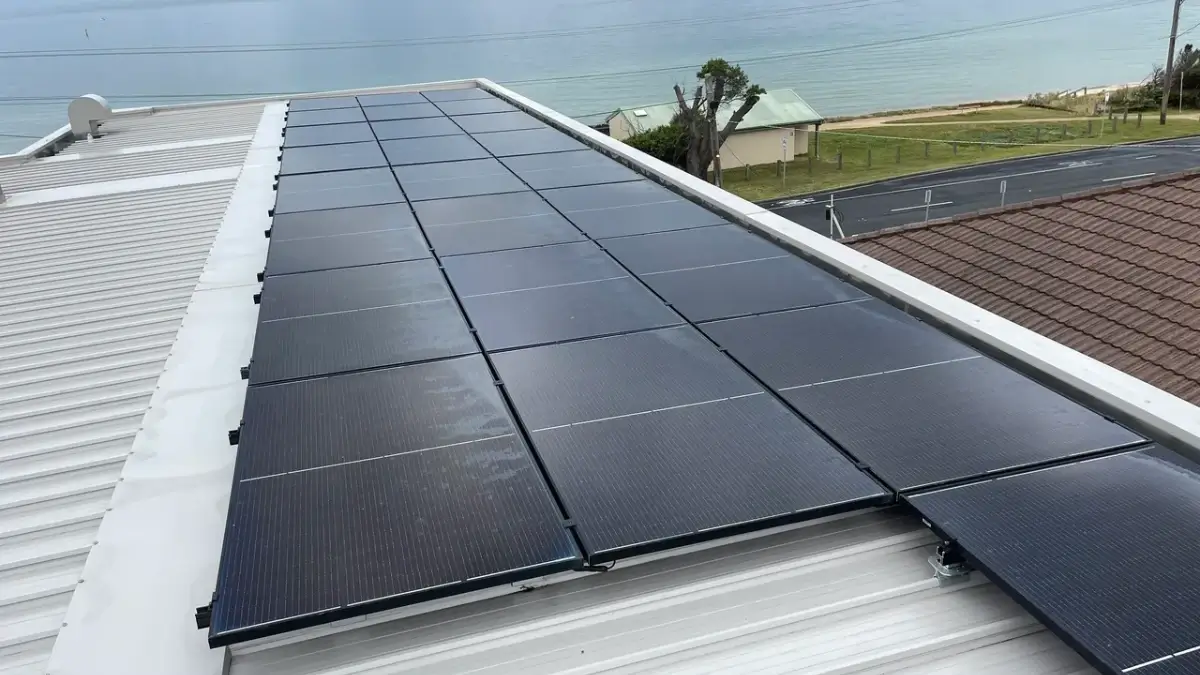
Roof orientation and shading play a major role in how much energy a system produces. Even partial shading can significantly reduce output.
System size also matters. Oversized systems may export too much power at low rates, while undersized systems may not offset enough usage.
Inverter quality and system design affect how efficiently energy is converted and used within the home. Well-designed systems consistently outperform poorly planned installations.
Solar-Only vs Solar With Batteries
Solar-only systems are usually the most cost-effective way to reduce power bills. Batteries add energy storage and resilience but increase upfront cost.
Batteries tend to make the most sense for households with high evening usage, frequent outages, or a strong desire for energy independence rather than purely financial returns.
What “Up to 80% Power Bill Reduction” Really Means
High bill reductions are achievable in some households, particularly those with strong daytime usage and well-matched systems.
However, savings vary based on behaviour, system design, and energy habits. Transparent advice and realistic expectations are essential to avoid disappointment.
Typical Solar Payback Timelines in New Zealand
Most quality residential solar systems reach payback within several years, depending on usage patterns and electricity prices.
Cheaper systems with poor design or low-quality components can appear attractive upfront but often deliver lower long-term value and reliability.
Why System Design Matters More Than Panel Count
A well-designed system considers how and when energy is used, not just how much power panels can produce.
Custom system design ensures the right balance between generation, self-consumption, and future expansion, resulting in better long-term outcomes.
Common Solar Myths That Lead to Disappointment
Not all solar systems are the same, and more panels don’t always mean better savings.
Batteries are not mandatory for effective solar, and cheap installations often cost more over time due to reduced performance or early component failure.
Is Solar a Good Fit For Your Home?
Every home is different. A personal assessment helps identify whether solar is suitable, what system size makes sense, and how savings can realistically be achieved.
Contact Dixon Electrical for a free solar quote today.