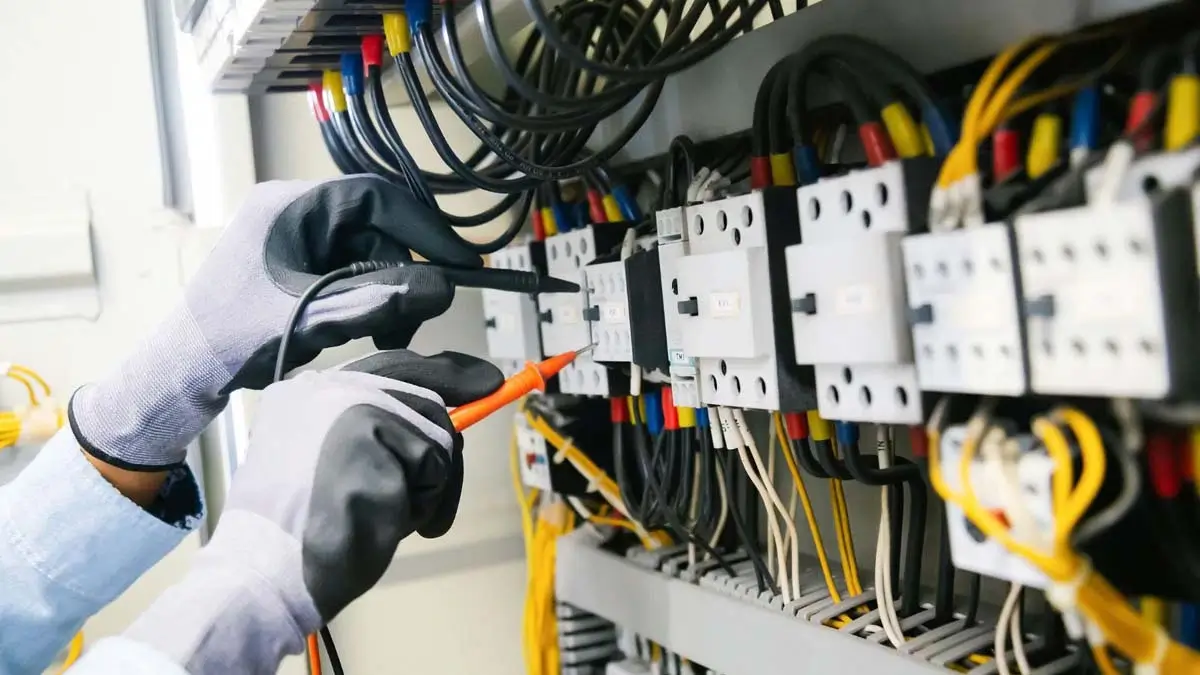
In most New Zealand homes, the switchboard quietly controls the flow of electricity to everything used each day—from the coffee machine to the heat pump. Older homes, especially those built before the 2000s, often rely on systems not designed for today’s power demands. This is why a residential switchboard upgrade in NZ should never be overlooked.
An unsafe switchboard is more than just a nuisance. It can lead to serious risks, including electrical fires. Knowing the warning signs early can help prevent major problems and keep your home safe. In this blog, you will learn the 5 key signs to watch for.
1. The “Buzz” and the “Sizzle”
A healthy switchboard should be perfectly silent. If you walk past your meter box or internal cupboard and hear a faint buzzing, humming, or crackling sound, you have a problem. These noises often indicate electrical arcing.
This happens when electricity “jumps” across gaps in loose or damaged wiring. Arcing generates intense heat—often exceeding 3,000°C—which can melt insulation and ignite surrounding timber or dust within seconds.
2. Frequent Tripping: More Than Just a Nuisance
Modern circuit breakers are designed to “trip” and cut power when they detect an overload or a fault. While the occasional trip might happen if you run the kettle, the microwave, and the air fryer simultaneously, frequent tripping is a red flag. Two common causes that stand out:
- Overload Issue: Older switchboards often have a lower total capacity. As we add more high-draw tech (EV chargers, induction hobs, multi-unit heat pumps), the board simply cannot keep up without a switchboard upgrade for NZ homes.
- The Danger of “Resetting”: If you find yourself constantly flipping the switch back to ‘on,’ you aren’t fixing the problem—you are stressing a system that is already screaming for help.
Ongoing tripping points to a system that is no longer coping with demand and needs proper assessment. Contact an emergency electrician NZ today for a recommendation.
3. Physical Indicators: Heat and Discolouration
Your switchboard should always be cool to the touch. If the plastic casing or the wall around the board feels warm, or if you notice brown or black scorch marks (discoloration) around the fuses or breakers, you are looking at an active fire risk.
Similarly, a burning plastic smell is an electrical emergency. This scent is often the result of wire insulation melting. Because many switchboards are located in hallways or near exits, a fire starting here can quickly block your primary escape route.
4. The “Old School” Danger: Ceramic Fuses
Take a look inside your switchboard. Do you see neat rows of toggle switches, or do you see porcelain wedges with thin fuse wire wrapped around them?
Ceramic fuses are a relic of a bygone era. They lack the precision of modern Residual Current Devices (RCDs) and do not meet current RCD protection NZ requirements. The dangers of ceramic fuses include:
- Slow Reaction: They take longer to “blow” than a breaker takes to “trip,” allowing more heat to build up.
- Human Error: It is easy to accidentally use the wrong gauge of fuse wire, which can lead to the wires in your walls melting before the fuse actually breaks.
- No Shock Protection: Unlike RCDs, ceramic fuses do not protect you from a fatal electric shock if a faulty appliance becomes “live.”
Old fuse systems don’t offer the level of protection modern homes need. An electrical switchboard upgrade in NZ improves safety and helps protect both your home and the people in it.
5. Flickering Lights and Dimming
If your lights dim every time the fridge compressor kicks in, or the washing machine starts a cycle, your switchboard is struggling to regulate voltage.
While this can sometimes be a grid issue, it is most frequently caused by loose neutral connections or an aging busbar within the board. This instability can eventually fry sensitive electronics like your computer or TV.
Why AS/NZS 3000 Compliance Matters
Under New Zealand law and the AS/NZS 3000 Wiring Rules, certain renovations or electrical additions now require your switchboard to be brought up to modern safety standards. This includes meeting RCD protection NZ requirements for lighting and power circuits.
Buying a home or planning a renovation? An outdated switchboard is not just a safety risk—it’s a financial one. It can lead to upgrade costs, compliance issues, and limited insurance coverage if it doesn’t meet current standards.
Switchboard Safety FAQs For NZ Homeowners
How much will it cost to upgrade my switchboard in NZ?
Most upgrades cost between $1,500 and $3,500+. The price depends on the size of the home, the condition of the wiring, and whether extra work is needed. Older homes often cost more to upgrade.
Can I DIY my switchboard upgrade?
No. Switchboard upgrades must be done by a licensed electrician in New Zealand. The work is high-risk and needs to meet safety regulations. DIY is both unsafe and not allowed.
Can I use an old fuse on a new switchboard?
No. New switchboards are built for circuit breakers and RCDs, not old fuses. Using outdated parts with a modern system is unsafe and not up to standard.
What’s the difference between a switchboard, an electrical panel, and a fuse box?
All three refer to the main control point of your home’s electricity, but the terms reflect different systems and regions. A switchboard is the modern setup with circuit breakers and RCDs. An electrical panel is the same thing, just a different term used overseas. A fuse box is an older system that uses fuses and offers less protection.
Do I need to upgrade my switchboard if I install solar panels?
Often, yes. Solar systems need a switchboard that can safely manage incoming and outgoing power. If the existing board is outdated, an upgrade is usually required before installation.
When To Call Switchboard Upgrade Experts
A switchboard upgrade is one of the most cost-effective ways to future-proof your home. Modern boards are:
- Safer: They include RCDs and MCBs (Miniature Circuit Breakers) that cut power in milliseconds.
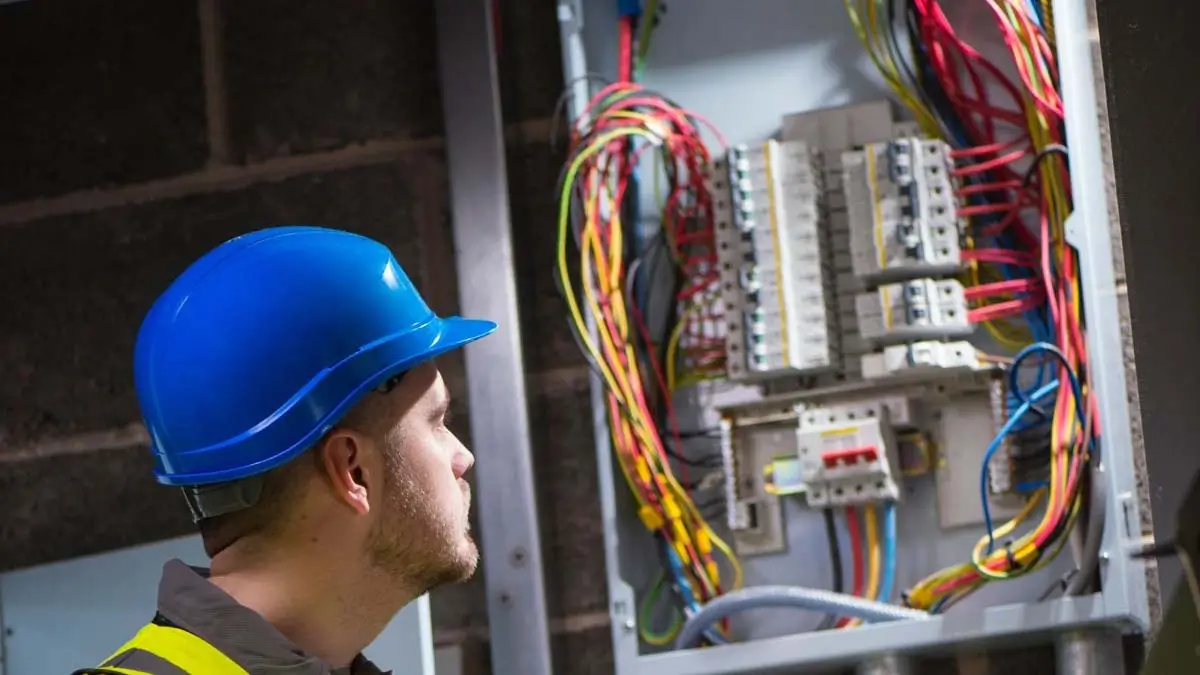
- Cleaner: They are organised, labeled, and free of the “rats nest” wiring common in older NZ properties.
- Higher Capacity: They can handle the load of modern living without breaking a sweat.
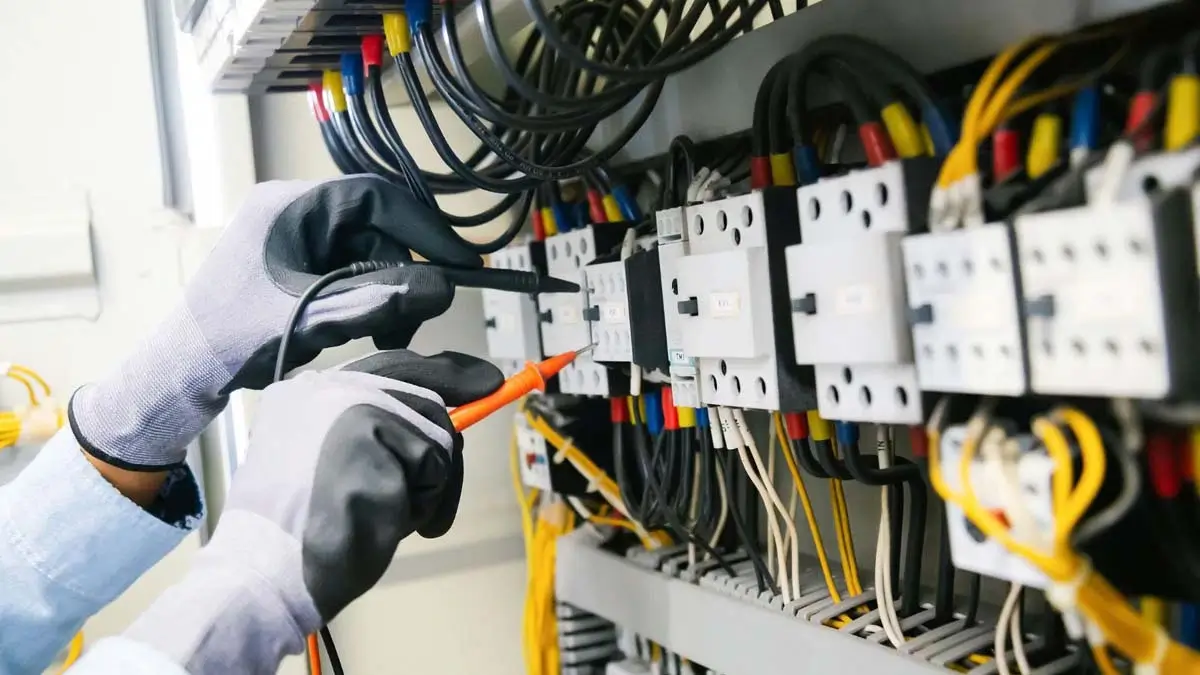
Pro Tip: When you notice any of these signs, do not attempt to “tighten” or “fix” the board yourself. Electricity is unforgiving. A licensed electrician from Dixon Electrical can perform a thermal imaging scan or a visual inspection to determine if your home is truly safe.
Don’t wait for the lights to go out—or a fire to start. Let Dixon Electrical check your switchboard today.